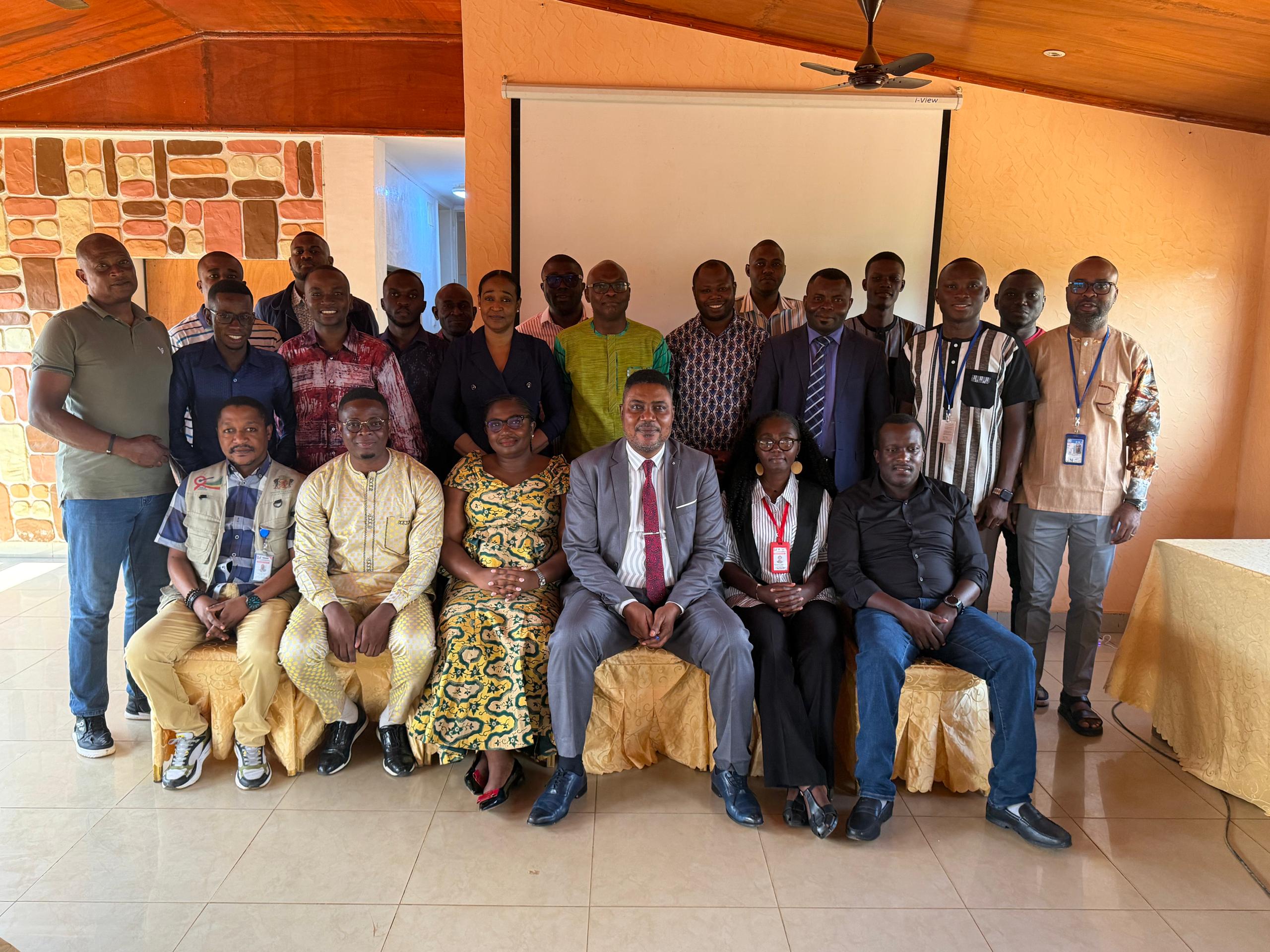
La République du Congo franchit une étape décisive dans la modernisation de son système d'information sanitaire en optant pour la digitalisation intégrale du suivi des patients atteints de la tuberculose (TB) et du VIH. Cette initiative stratégique vise à remplacer les supports papier par des outils numériques performants afin d'améliorer la qualité et la continuité des soins.
Une mission d’évaluation au plus près des réalités du terrain
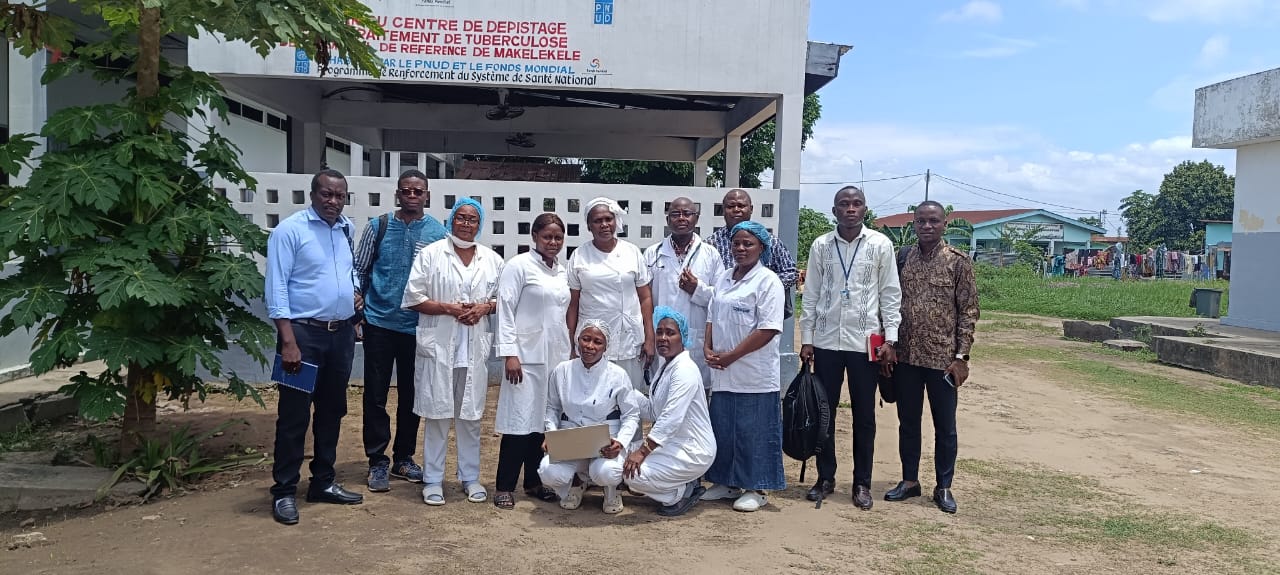
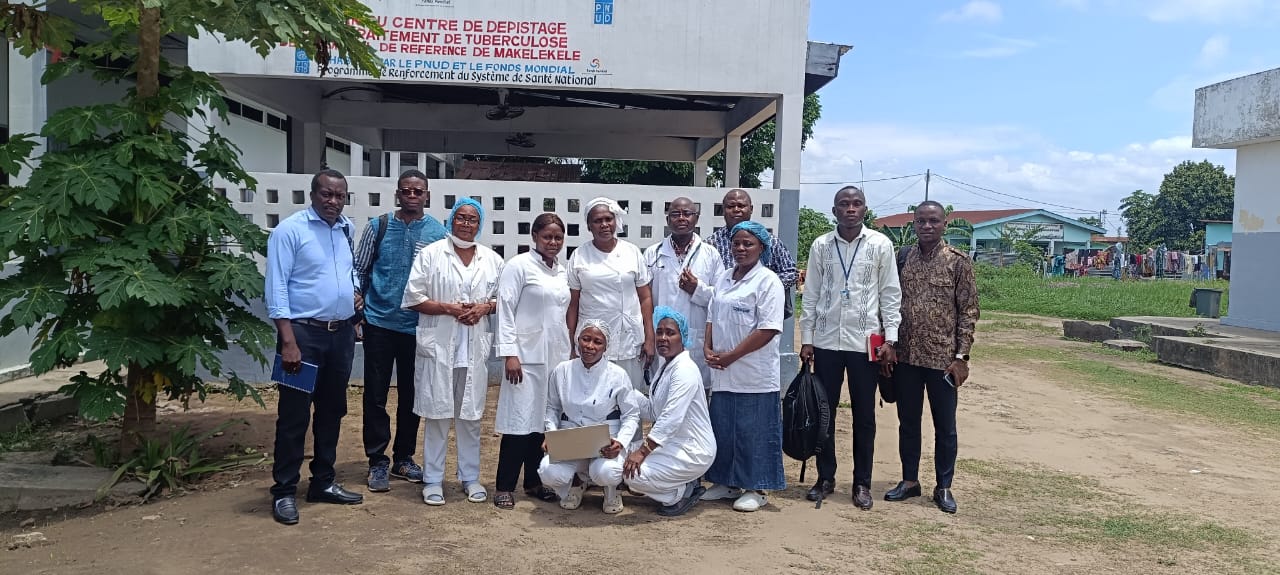
Pour garantir que les solutions déployées répondent aux besoins concrets des professionnels de santé, une mission d’audit de terrain a été menée il y a quelques semaines avec la participation du Directeur du renforcement des capacités de HISP WCA.
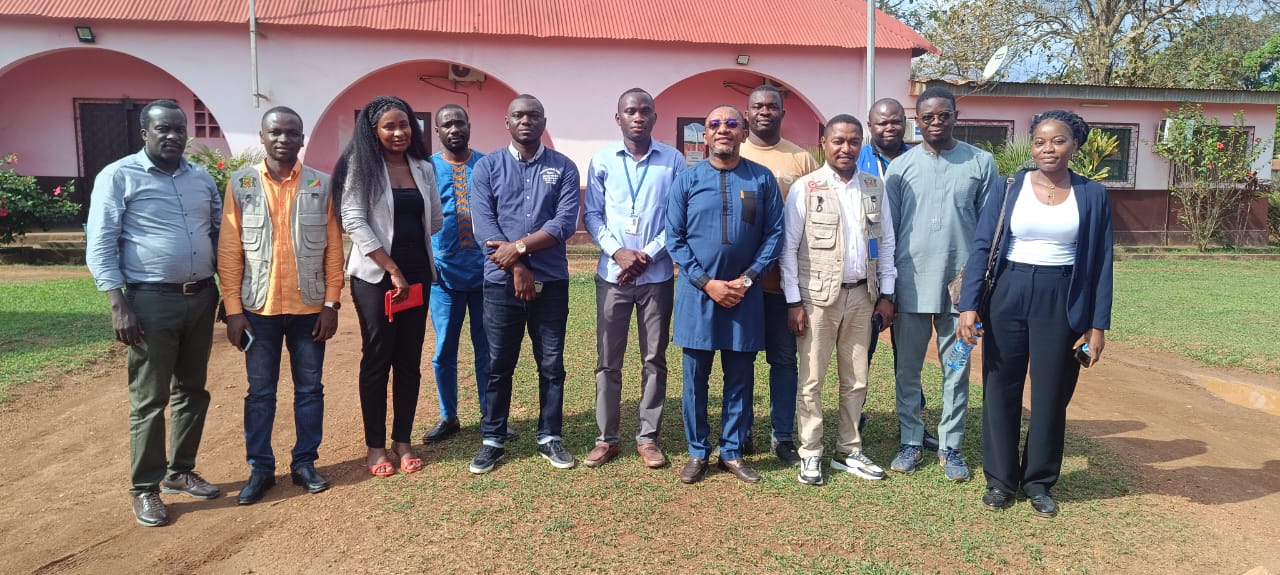
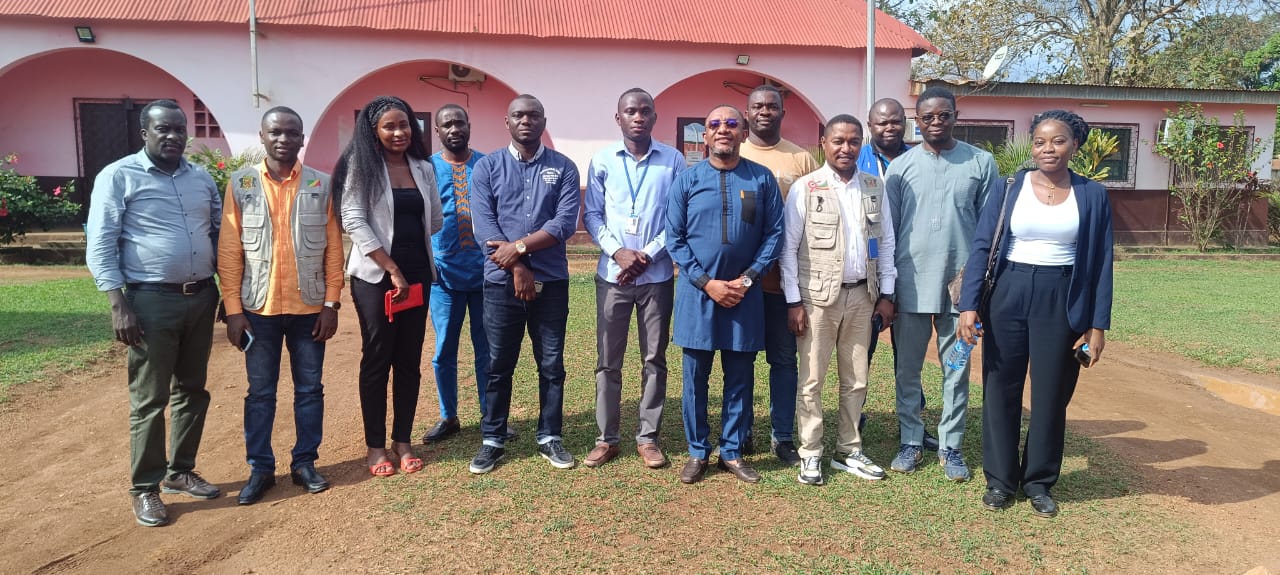
Menée par une équipe pluridisciplinaire réunissant des cadres du Programme des Nations Unies pour le développement (PNUD), du Programme National de Lutte contre la Tuberculose (PNLT), du Programme National de Lutte contre le Sida (PNLS), de la Direction de l'Information Sanitaire, de l'Évaluation et de la Recherche (DISER) ainsi que l'équipe technique, cette mission a permis d'évaluer 13 structures de prise en charge réparties dans quatre villes du pays. Le rapport détaillé issu de cet état des lieux a servi de socle pour orienter le paramétrage des outils.
Cap sur la configuration des Trackers DHIS2
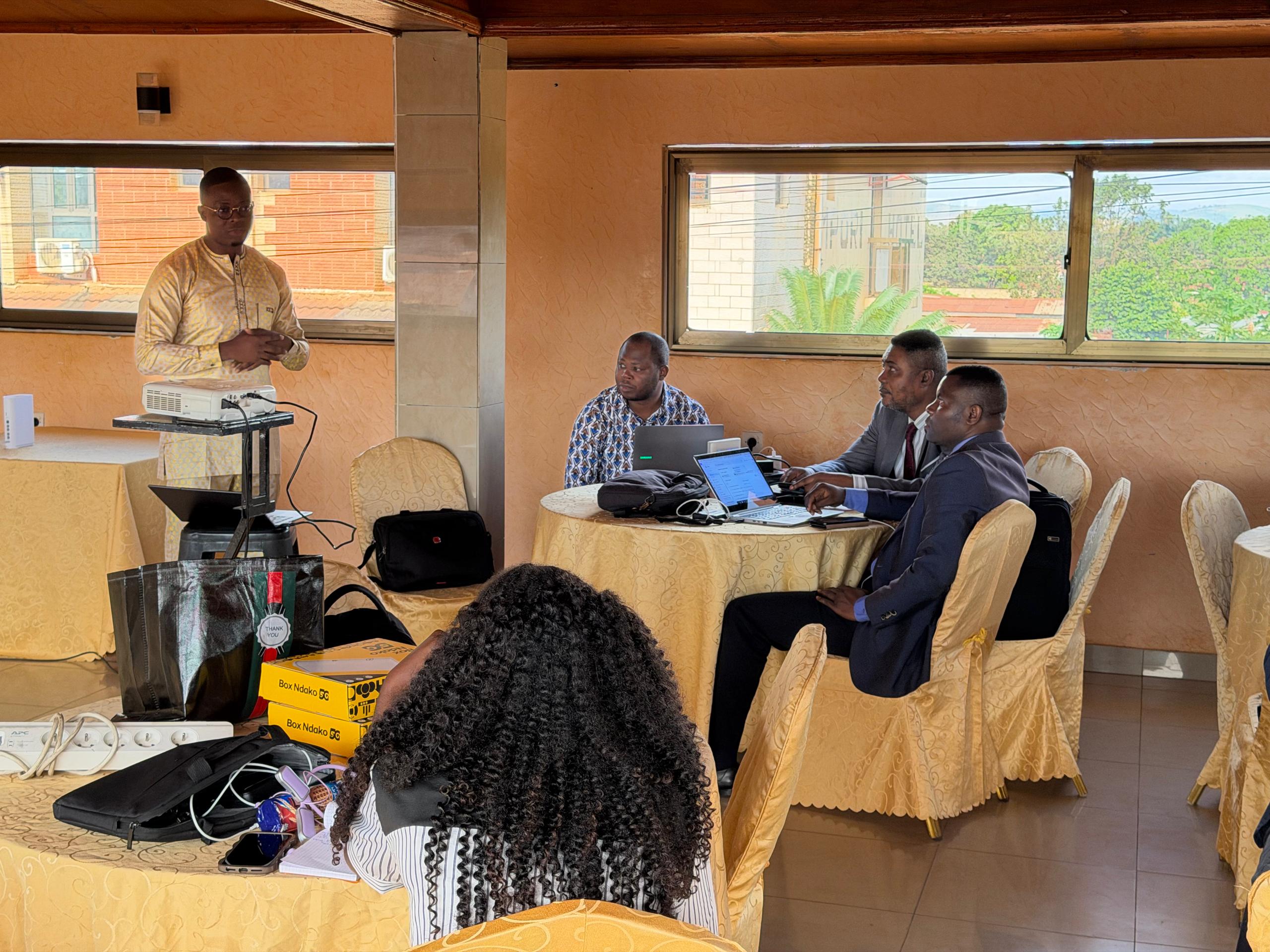
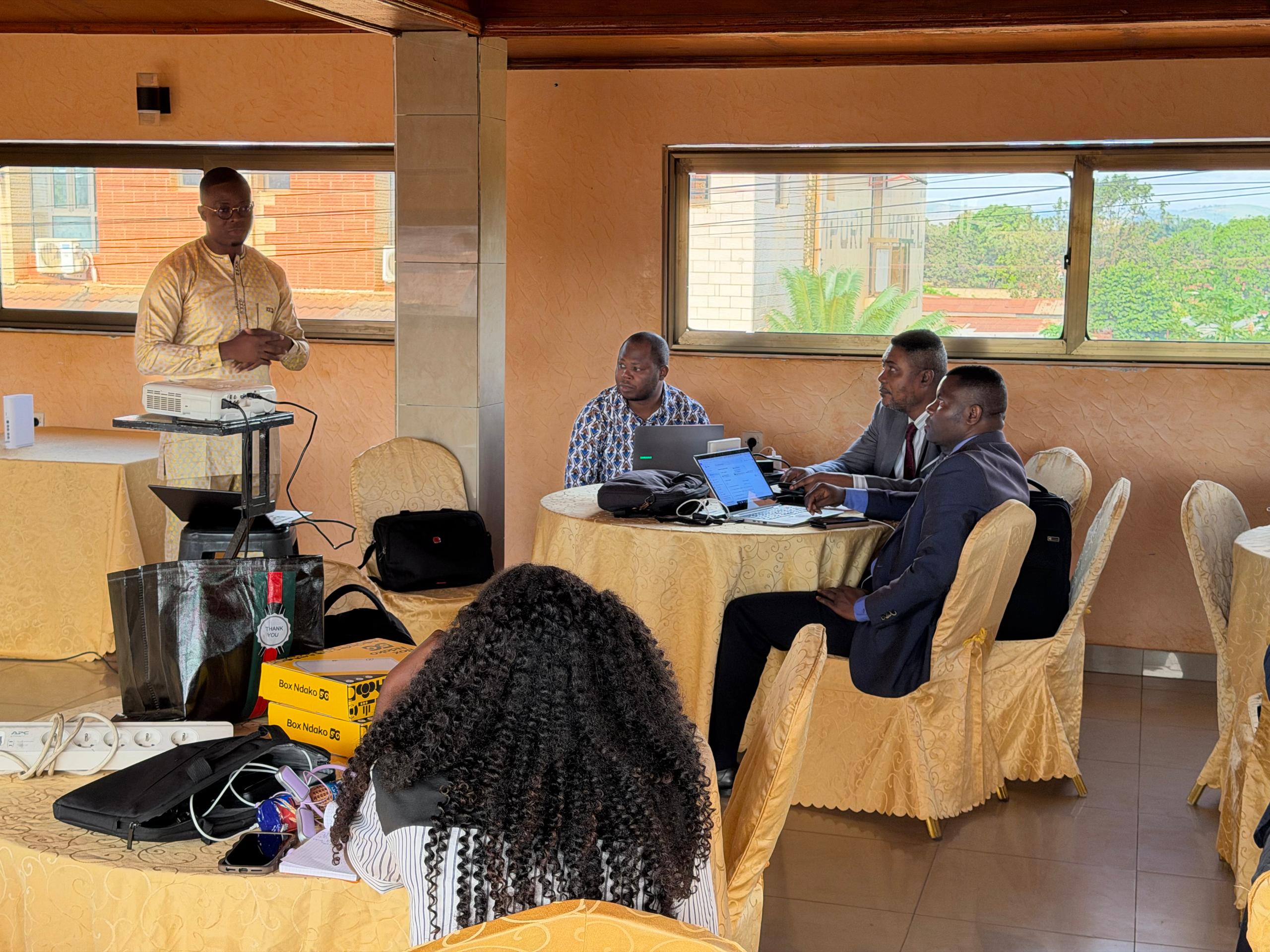
Fort de ces enseignements, le pays entame désormais la phase opérationnelle avec la tenue d'un atelier intensif de configuration. Plus d'une vingtaine de cadres nationaux sont actuellement mobilisés autour de deux volets complémentaires :
- Le Tracker Tuberculose (TB) : Développé et paramétré sous le leadership technique de HISP WCA.
- Le Tracker VIH : Pris en charge parallèlement avec l'appui d'un expert de HISP Rwanda.
Cette synergie régionale et institutionnelle illustre l'engagement collectif des acteurs de la santé publique à doter la République du Congo d'un dispositif de suivi individuel des patients plus fiable, réactif et pérenne.
The Republic of Congo is taking a decisive step towards modernising its health information system by choosing to fully digitise the monitoring of patients with tuberculosis (TB) and HIV. This strategic initiative aims to replace paper-based records with high-performance digital tools to improve the quality and continuity of care.
An assessment mission in line with the realities on the field
To guarantee that the deployed solutions aligned with the real needs of healthcare professionals, a recent field audit mission was undertaken with the involvement of the HISP WCA Capacity Building Director.
Led by a multidisciplinary team bringing together senior staff from the United Nations Development Programme (UNDP), the National Tuberculosis Control Programme (PNLT), the National AIDS Control Programme (PNLS), the Directorate of Health Information, Evaluation and Research (DISER) and the technical team, this mission assessed 13 healthcare facilities across four cities in the country. The detailed report resulting from this assessment served as the basis for guiding the configuration of the tools.
Moving forward with the configuration of the DHIS2 Trackers
Building on its experience, the country is now entering the operational phase with an intensive configuration workshop. More than twenty national managers are currently working on two complementary components:
- The Tuberculosis (TB) Tracker: Developed and configured under the technical leadership of HISP WCA.
- The HIV Tracker: Implemented in parallel with the support of an expert from HISP Rwanda.
This regional and institutional constructive collaboration illustrates the collective commitment of public health stakeholders to equipping the Republic of the Congo with a more dependable, responsive, and sustainable system for individual patient monitoring.