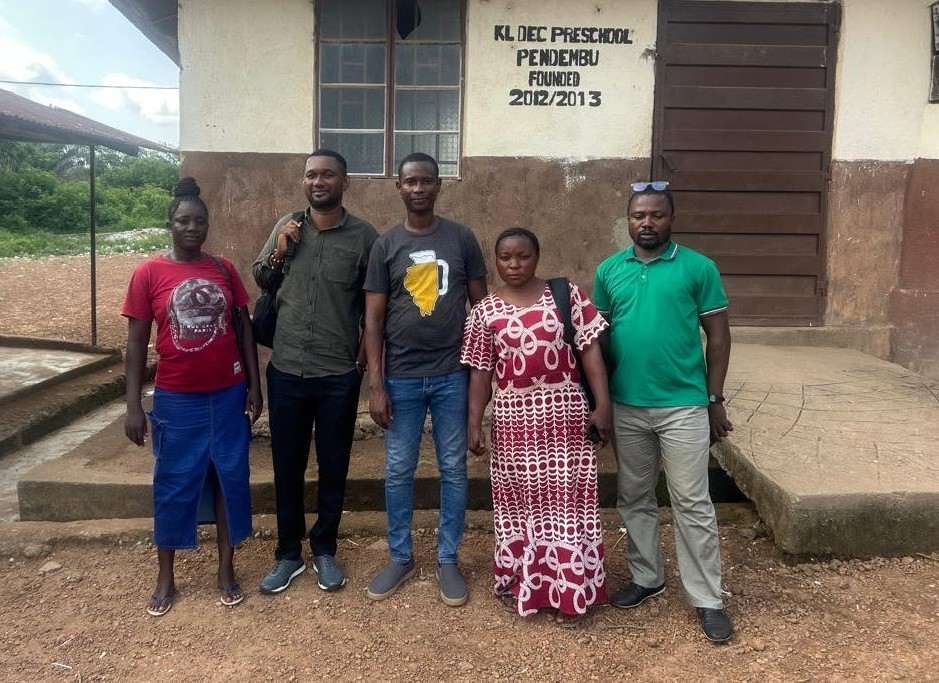
Le ministère de l’Éducation de Sierra Leone donne une nouvelle impulsion à la mise en œuvre du programme « Delivering the Foundations of Learning for All », soutenu techniquement et financièrement par l’UNICEF et le Partenariat mondial pour l’éducation. Cette dynamique s'appuie sur la création d’un Identifiant Unique de l’Apprenant (ULID) et le déploiement d’un Hub de Données Éducatives reposant sur la technologie DHIS2. Pour concrétiser ces orientations, une mission conjointe menée par les experts de HISP WCA et de Saudigitus a été déployée afin d'évaluer les systèmes informatiques existants et d'ajuster les solutions numériques aux besoins réels du secteur.
Cette initiative soulève des enjeux majeurs pour la gouvernance et le pilotage de l'éducation dans le pays. D'une part, l'instauration de l'ULID répond au défi de la traçabilité des parcours scolaires, permettant de réduire le décrochage, de suivre l'assiduité et de fiabiliser les effectifs d'élèves. D'autre part, la centralisation des données via DHIS2 offre aux décideurs une visibilité analytique globale et en temps réel. Cette précision est essentielle pour optimiser l'allocation des ressources pédagogiques, cibler le soutien aux zones vulnérables et renforcer la transparence du système éducatif national.
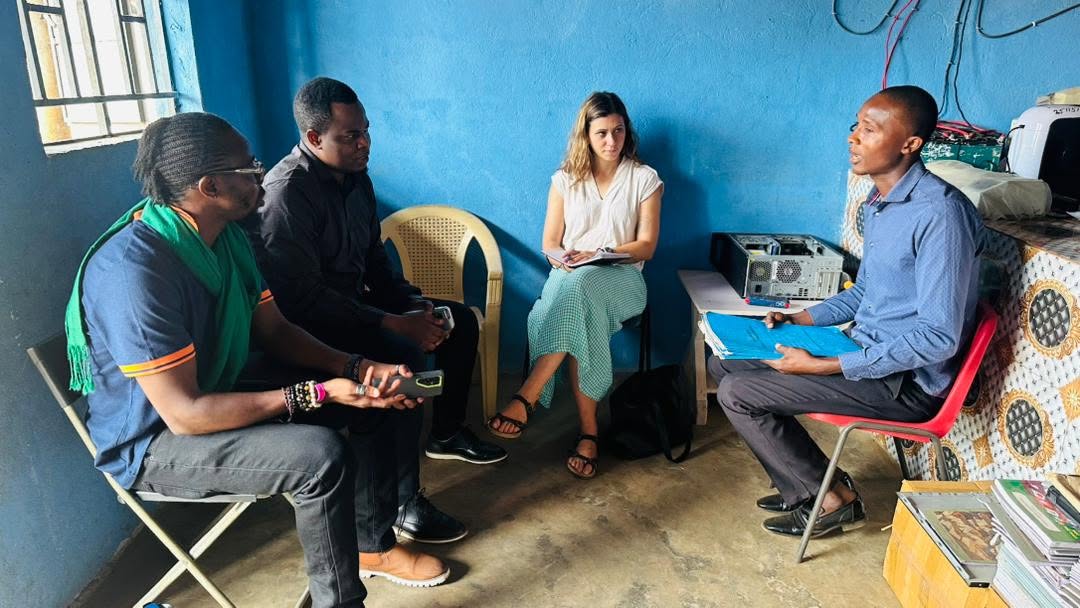
Afin de garantir l'ancrage territorial de cette transformation, la mission a privilégié une démarche participative et inclusive. Les équipes ont mené des séances de travail stratégiques avec le ministère de l’Éducation primaire et secondaire, couplées à des consultations sur le terrain dans plusieurs districts clés tels que Western Urban, Moyamba, Kenema et Kailahun.
Ces échanges directs avec les responsables locaux et les techniciens informatiques de district permettent de co-construire un outil adapté aux réalités opérationnelles du terrain, garantissant ainsi son adhésion et sa pérennité.
Sierra Leone’s Ministry of Education is giving new boost to the implementation of the “Delivering the Foundations of Learning for All” program, which receives technical and financial support from UNICEF and the Global Partnership for Education. This initiative is based on the creation of a Unique Learner Identifier (ULID) and the deployment of an Education Data Hub powered by DHIS2 technology. In order to translate these guidelines into action, a joint mission led by experts from HISP WCA and Saudigitus was deployed to assess existing IT systems and tailor digital solutions to the sector’s actual needs.
This initiative tackles some major challenges in terms of education governance and management in the country. On the one hand, the implementation of the ULID addresses the challenge of tracking students’ educational pathways, helping to reduce dropout rates, monitor attendance, and ensure the accuracy of student enrollment figures. On the other hand, the centralization of data via DHIS2 provides decision-makers with comprehensive, real-time analytical insights. This precision is essential for optimizing the allocation of educational resources, targeting support to vulnerable areas, and enhancing the transparency of the national education system.
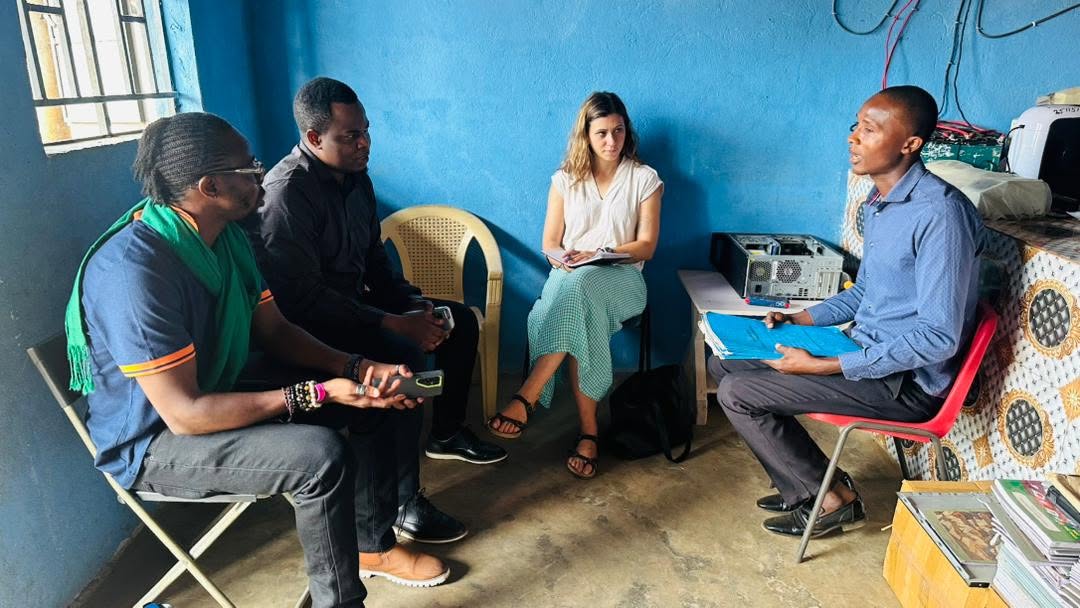
In order to ensure that this transformation is firmly rooted at the local level, the mission prioritized a participatory and inclusive approach. The teams conducted strategic working sessions with the Ministry of Primary and Secondary Education, combined with on-the-ground consultations in several key districts such as Western Urban, Moyamba, Kenema, and Kailahun.
These direct exchanges with local officials and district IT technicians enable the co-development of a tool tailored to the operational realities on the ground, thereby ensuring its adoption and sustainability.